The Visual Revolution in Creative Work
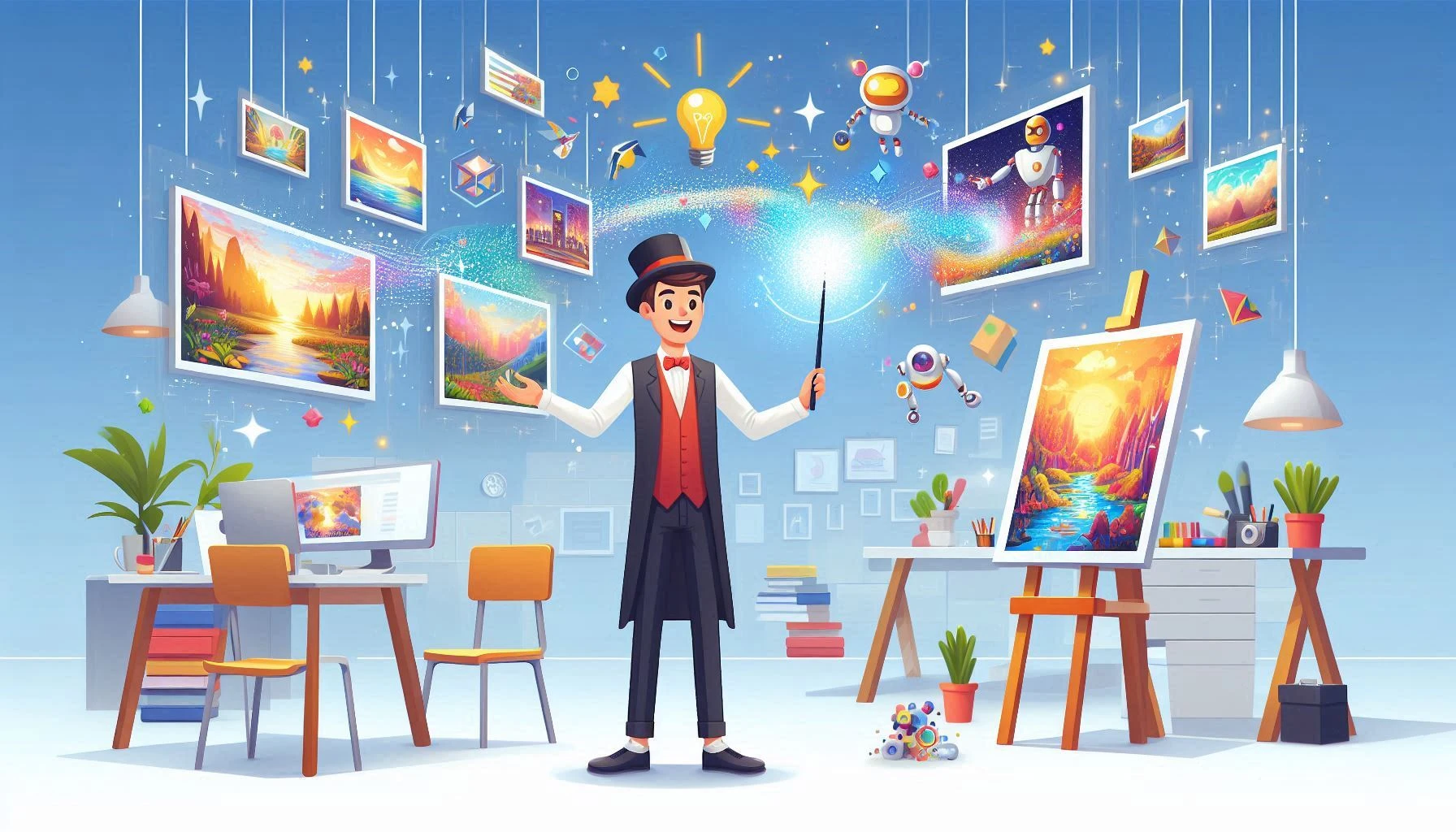
The creative industry is going through a major transformation, driven by the rapid evolution of generative image platforms like Midjourney, Stable Diffusion, and DALL-E 3. What started as a technological curiosity has grown into a set of professional tools that are redefining graphic design, commercial advertising, and digital art production. Creative agencies, game studios, and independent artists are finding that these models can translate written prompts into detailed visuals in seconds, compressing development cycles and changing traditional workflows. This shift has sparked debates about artistic ownership and the future of creative careers, while also opening up new possibilities for visual expression and production efficiency. Understanding how to adapt to these changes is critical for designers who want to remain competitive.
Historically, creating detailed concept art or custom marketing illustrations required days of sketching, rendering, and revision. Today, generative models allow designers to explore dozens of visual directions in a fraction of the time, making the conceptual phase of design much faster. By typing descriptive prompts, creators can quickly generate variations in lighting, composition, and style, helping teams align on a visual direction before beginning final production. This speed has made generative AI an essential tool for pre-visualization in filmmaking, advertising, and product design, helping creators work more productively. The ability to iterate on concepts in real-time allows for a more collaborative design process, as clients can see and modify visual ideas during creative brainstorming sessions.
Redefining Workflows for Design Teams
Rather than replacing human designers, generative tools are becoming collaborative assistants that handle repetitive parts of the creative process. In graphic design, tools like Adobe Firefly allow editors to extend backgrounds, remove unwanted objects, and recolor vector files instantly, saving hours of manual editing. Photoshop's generative fill feature lets designers make complex modifications using simple text commands, keeping them focused on composition and creative direction rather than technical editing tasks. This integration of AI tools into industry-standard design software has made professional workflows smoother and more efficient, enabling teams to deliver complex projects on shorter timelines.
In advertising, agencies use generative models to create hyper-targeted visual assets for digital campaigns. Instead of relying on generic stock photos, marketers can generate custom visuals that match a brand's style guide and color palette perfectly. This ability to produce unique, high-quality images at scale has changed how brands approach digital storytelling, allowing them to run personalized campaigns that capture audience attention. As these tools continue to improve, the demand for designers who can write effective prompts and guide AI systems is growing, creating new roles within the creative economy. Designers are transitioning from hands-on execution to creative directors, managing generative tools to build consistent visual assets.
Navigating Copyright and Ethical Standards
The integration of generative models has also raised important legal and ethical questions regarding copyright and data training. Many early models were trained on scraped internet images without artist consent, leading to copyright challenges and concerns about artistic theft. In response, companies like Adobe have built models trained exclusively on licensed images, providing design teams with a legally safe option for commercial projects. This focus on ethical training datasets is helping establish standards for responsible AI use in the creative industries, ensuring that artists' rights are protected. Ethical compliance has become a major criteria for enterprise design departments selecting AI platforms.
Another challenge is maintaining artistic quality in an era of automated image production. As generative tools become more accessible, the volume of digital content is increasing, making it harder for brands to stand out. Creative directors emphasize that while AI can generate polished images, it lacks the conceptual depth, emotional resonance, and cultural understanding that human artists bring to their work. The most successful design projects are those that combine the speed of AI generation with human storytelling, resulting in visuals that are both technically impressive and meaningful to audiences. The focus remains on human-led direction to ensure that generated designs connect with viewers on a personal level.
The Shifting Economics of Digital Design
The speed and scale of generative tools are also changing the economic structures of the creative industry. The cost of producing high-volume digital graphics has decreased, making it easier for startups and local businesses to access professional-looking marketing assets. However, this shift has put pressure on entry-level designers and stock photographers, who are finding that their traditional services are facing competition from automated systems. To adapt, many creative professionals are expanding their skill sets, shifting from simple asset production to strategic design consulting and multi-media coordination.
Agencies are adjusting their pricing models to focus on conceptual strategy and brand development rather than output volume. The value of creative work is increasingly measured by how well a design strategy achieves business goals, rather than how many design variations are delivered. This transition encourages designers to develop a deeper understanding of marketing psychology, project management, and business strategy, transforming them into valuable strategic partners who coordinate creative technology to deliver commercial success.
The Future of Visual Expression
Looking ahead, the relationship between human creators and generative models will continue to grow closer. Future systems will offer even greater control over details, composition, and style, allowing designers to translate their visual ideas with higher precision. As these technologies mature, the value of creative work will shift from technical execution to conceptual thinking and creative direction. The artists who thrive in this changing landscape will be those who view generative models not as a threat, but as a powerful medium to expand their creative potential, paving the way for new forms of visual art and design, and reshaping our digital landscape.